Squint (Cross Eye) Treatment in Lucknow
Expert Diagnosis and Treatment for Children and Adults
Squint, medically known as Strabismus, is a condition in which one eye looks straight ahead while the other turns inward, outward, upward, or downward. This misalignment may be constant or occur only occasionally. If not treated early, squint can lead to lazy eye (amblyopia), reduced depth perception, and long-term vision problems.
At Dr. Pooja Kanodia Eye Specialist & Surgeon, we provide comprehensive Squint (Cross Eye) Treatment in Lucknow using advanced diagnostic technology and personalized treatment plans. Whether the condition is present from birth or develops later in life, our goal is to restore proper eye alignment, improve binocular vision, and protect long-term eye health.
With over 20 years of experience, Dr. Pooja Kanodia offers compassionate and evidence-based care for both children and adults with squint disorders.
What is Squint (Strabismus)?
Squint is an eye muscle imbalance that prevents both eyes from focusing on the same object simultaneously. One eye may remain straight while the other turns inward (esotropia), outward (exotropia), upward, or downward.
The condition can affect one or both eyes and may occur all the time or only during certain activities such as reading or when tired.
Early diagnosis is essential because untreated squint may interfere with normal vision development in children.
Types of Squint
Different types of squint include:
- Esotropia (Eye turns inward)
- Exotropia (Eye turns outward)
- Hypertropia (Eye turns upward)
- Hypotropia (Eye turns downward)
- Congenital Squint
- Acquired Squint
- Intermittent Squint
- Paralytic Squint
Each type requires a detailed examination to determine the most appropriate treatment.
Symptoms of Squint
Common signs and symptoms include:
- Misaligned eyes
- Double vision
- Blurred vision
- Closing one eye in bright sunlight
- Head tilting
- Poor depth perception
- Eye strain
- Difficulty focusing
- Frequent headaches
- Reduced vision in one eye (Lazy Eye)
Parents should seek an eye examination if they notice any eye misalignment in their child.
Causes of Squint
Squint may develop due to various reasons, including:
- Family history of squint
- Weak eye muscles
- Refractive errors requiring glasses
- Nerve disorders
- Congenital eye conditions
- Eye injuries
- Stroke or neurological diseases (in adults)
- Diabetes-related nerve damage
Who is at Risk?
Squint can affect people of all ages, but the risk is higher in:
- Infants and young children
- People with a family history of strabismus
- Premature babies
- Children with developmental disorders
- Adults with diabetes or neurological disorders
- Individuals who have experienced eye injuries
How is Squint Diagnosed?
A detailed eye examination is essential to determine the type and severity of squint.
Our evaluation may include:
- Visual Acuity Test
- Eye Alignment Assessment
- Eye Movement Examination
- Refraction Test
- Binocular Vision Testing
- Depth Perception Assessment
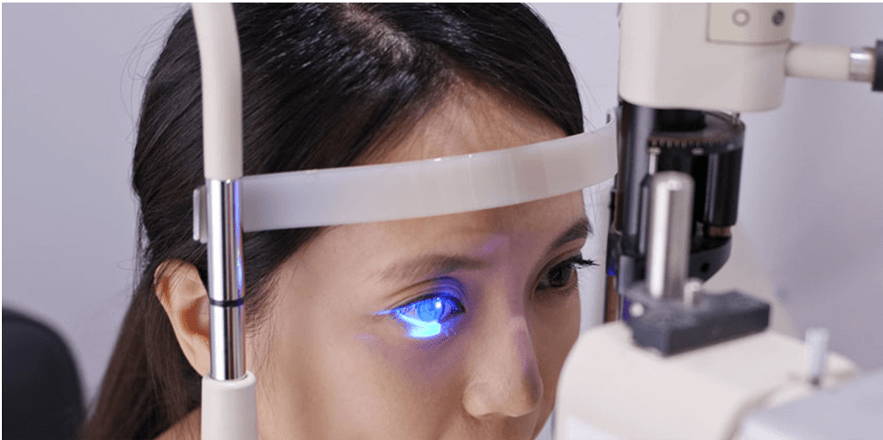
- Slit Lamp Examination
- Dilated Eye Examination
Advanced diagnostic techniques help us create an individualized treatment plan.
Squint Treatment Options
Treatment depends on the cause, age, and severity of the condition.
Prescription Glasses
Correcting refractive errors may improve eye alignment in many patients.
Vision Therapy
Specialized eye exercises can strengthen eye coordination and improve binocular vision in selected cases.
Prism Glasses
Prism lenses may help reduce double vision and improve eye alignment for certain patients.
Lazy Eye (Amblyopia) Treatment
If squint has caused lazy eye, patching therapy or other treatments may be recommended to improve vision.
Squint Surgery
When non-surgical treatment is not sufficient, squint surgery may be advised to adjust the eye muscles and improve eye alignment.
Benefits of Early Squint Treatment
Timely treatment offers several advantages:
- Improved eye alignment
- Better binocular vision
- Prevention of lazy eye
- Improved depth perception
- Reduced double vision
- Enhanced appearance and confidence
- Better visual development in children
- Improved quality of life
Why Choose Dr. Pooja Kanodia for Squint Treatment?
Experienced Eye Specialist
Over 20 years of experience in diagnosing and managing pediatric and adult squint disorders.
Advanced Diagnostic Technology
Comprehensive eye evaluation using modern ophthalmic equipment for accurate diagnosis.
Personalized Treatment Plans
Every patient receives an individualized treatment approach based on age, eye condition, and visual needs.
Comprehensive Eye Care
Complete diagnosis, treatment, surgery, and follow-up care under one roof.
Patient-Centered Care
We focus on providing compassionate care, clear communication, and long-term visual improvement.
Why Early Diagnosis is Important
Early treatment is especially important in children because the visual system continues to develop during childhood. Delayed treatment may result in permanent vision loss from amblyopia and reduced binocular vision.
Adults with newly developed squint should also undergo prompt evaluation, as it may indicate an underlying neurological or medical condition requiring attention.
Book Your Squint Eye Evaluation Today
If you or your child has crossed eyes, double vision, or difficulty focusing, a comprehensive eye examination can help identify the underlying cause and determine the most appropriate treatment.
At Dr. Pooja Kanodia Eye Specialist & Surgeon, we are committed to providing advanced squint care using modern diagnostic technology and personalized treatment plans to help patients achieve healthy eye alignment and better vision.
Frequently Asked Questions
What is the difference between squint and lazy eye?
Squint (strabismus) is the misalignment of the eyes, while lazy eye (amblyopia) is reduced vision that can develop if squint is not treated early.
Can squint be treated without surgery?
Yes. Depending on the cause, treatment may include glasses, vision therapy, prism lenses, or amblyopia treatment. Surgery is recommended only when necessary.
Is squint surgery safe?
Yes. Squint surgery is generally safe and is performed to improve eye alignment by adjusting the eye muscles.
Can adults undergo squint treatment?
Yes. Squint treatment is effective for both children and adults, depending on the underlying cause and eye condition.
At what age should a child be evaluated for squint?
Any noticeable eye misalignment should be assessed as early as possible. Early diagnosis helps prevent complications such as lazy eye.
Can squint return after treatment?
In some cases, additional treatment or follow-up may be required. Regular eye examinations help monitor eye alignment and visual development.
Need help choosing a treatment?
Talk to our team and get guidance on the right next step for your eye care.