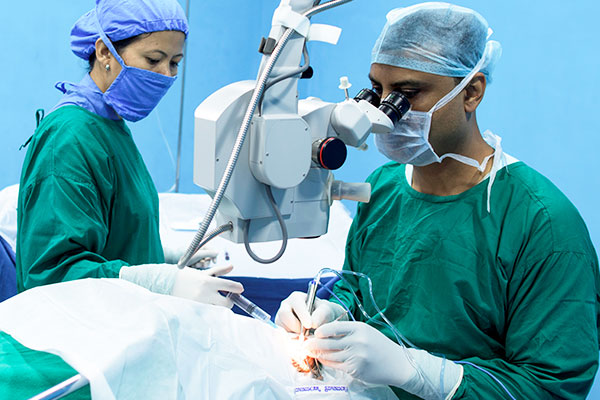
Retina Treatment & Surgery in Lucknow
Advanced Retina Care to Protect and Restore Your Vision
The retina is one of the most delicate and important parts of the eye. It captures light and sends visual signals to the brain, allowing you to see clearly. Any damage to the retina can seriously affect your eyesight and, if left untreated, may lead to permanent vision loss.
At Dr. Pooja Kanodia Eye Specialist & Surgeon, we provide comprehensive Retina Treatment & Surgery in Lucknow using advanced diagnostic technology and evidence-based treatment methods. Whether you are experiencing blurred vision, floaters, flashes of light, or have been diagnosed with diabetic retinopathy or another retinal condition, our goal is to provide accurate diagnosis and personalized treatment to preserve your vision.
With over 20 years of experience in ophthalmology, Dr. Pooja Kanodia offers specialized retina care using modern equipment and the latest treatment techniques to achieve the best possible outcomes.
What is the Retina?
The retina is a thin layer of light-sensitive tissue located at the back of the eye. It works like the camera sensor of your eye by receiving light and converting it into signals that are sent to the brain through the optic nerve.
A healthy retina is essential for sharp, detailed vision. When the retina becomes damaged due to disease, injury, or aging, vision may become blurred, distorted, or even permanently impaired if treatment is delayed.
Common Retina Conditions We Treat
Our clinic provides diagnosis and treatment for a wide range of retinal disorders, including:
- Diabetic Retinopathy
- Retinal Detachment
- Retinal Tears and Holes
- Age-Related Macular Degeneration (AMD)
- Macular Edema
- Central Serous Retinopathy (CSR)
- Retinal Vein Occlusion
- Vitreous Hemorrhage
- Epiretinal Membrane
- Posterior Vitreous Detachment
Early diagnosis plays a crucial role in preserving vision and preventing complications.
Symptoms of Retina Disorders
Retinal diseases often develop without pain, but they may produce noticeable changes in vision. You should consult an eye specialist if you experience:
- Sudden blurred or distorted vision
- Floaters (black spots or cobweb-like shadows)
- Flashes of light
- A dark curtain or shadow over your vision
- Difficulty reading
- Loss of side vision
- Reduced central vision
- Straight lines appearing wavy
- Sudden decrease in eyesight
Ignoring these symptoms can increase the risk of permanent vision loss.
Causes and Risk Factors
Several factors can increase the likelihood of developing retinal diseases, including:
- Diabetes
- High blood pressure
- Increasing age
- High myopia (severe nearsightedness)
- Eye injuries
- Previous eye surgeries
- Smoking
- High cholesterol
- Family history of retinal diseases
People with diabetes should undergo regular retinal examinations, even if they do not have any vision problems.
Advanced Retina Diagnosis
Accurate diagnosis is the first step toward effective treatment. At our clinic, we use advanced diagnostic technology to evaluate the health of your retina.
Our comprehensive retinal examination may include:
- Detailed Eye Examination
- Dilated Retina Evaluation
- Optical Coherence Tomography (OCT)
- Fundus Photography
- Fluorescein Angiography (when required)
- Eye Pressure Measurement
- Visual Acuity Assessment
- Optic Nerve Evaluation
These advanced investigations help identify retinal diseases at an early stage and allow for precise treatment planning.
Retina Treatment Options
Treatment depends on the type and severity of the retinal condition. After a detailed examination, Dr. Pooja Kanodia recommends the most suitable treatment plan.
Medical Treatment
Some retinal diseases can be managed with medications, lifestyle modifications, and regular monitoring.
Intravitreal Injections
Certain retinal disorders require injections directly into the eye to reduce swelling, prevent abnormal blood vessel growth, and preserve vision.
These are commonly used for:
- Diabetic Macular Edema
- Wet Age-Related Macular Degeneration
- Retinal Vein Occlusion
Laser Retina Treatment
Laser treatment is an effective option for several retinal diseases and helps prevent disease progression.
Laser therapy is commonly recommended for:
- Diabetic Retinopathy
- Retinal Tears
- Retinal Holes
- Retinal Vascular Disorders
Laser treatment seals weak areas of the retina and reduces the risk of retinal detachment.
Retina Surgery
Some advanced retinal conditions require surgical treatment to restore or preserve vision.
Depending on the diagnosis, retinal surgery may include:
- Vitrectomy
- Retinal Detachment Repair
- Membrane Peeling
- Gas Bubble or Silicone Oil Placement
- Scleral Buckling (in selected cases)
Every surgery is carefully planned according to the patient's condition and visual requirements.
Benefits of Early Retina Treatment
Timely diagnosis and treatment provide several benefits, including:
- Preservation of vision
- Reduced risk of permanent blindness
- Better treatment outcomes
- Prevention of disease progression
- Improved quality of life
- Better management of diabetic eye disease
- Long-term eye health
Early treatment often leads to better visual recovery and fewer complications.
Why Choose Dr. Pooja Kanodia for Retina Treatment in Lucknow?
Experienced Eye Specialist
With over two decades of experience, Dr. Pooja Kanodia has extensive expertise in diagnosing and managing complex retinal conditions.
Advanced Diagnostic Technology
Our clinic is equipped with modern ophthalmic technology, including:
- OCT Scanner
- Fundus Camera
- Slit Lamp Biomicroscope
- Digital Retina Imaging
- Advanced Laser Systems
Personalized Treatment
Every patient receives an individualized treatment plan based on their retinal condition, lifestyle, and overall eye health.
Comprehensive Eye Care
From diagnosis to treatment and follow-up, all retinal services are provided under one roof with a patient-centered approach.
Focus on Vision Preservation
Our goal is not only to treat retinal diseases but also to preserve vision and improve long-term eye health through early intervention and continuous monitoring.
Why Early Retina Screening is Important
Many retinal diseases do not cause symptoms in their early stages. By the time vision changes become noticeable, significant retinal damage may have already occurred.
Routine retinal examinations are especially important for people with diabetes, high blood pressure, high myopia, or a family history of retinal diseases. Early detection allows timely treatment, helping prevent severe vision loss and improving long-term outcomes.
Book Your Retina Consultation Today
If you notice sudden changes in your vision, flashes of light, floaters, blurred vision, or any other symptoms of retinal disease, don't ignore them. Early diagnosis and timely treatment can help protect your eyesight and reduce the risk of permanent vision loss.
At Dr. Pooja Kanodia Eye Specialist & Surgeon, we are committed to providing advanced retina care through modern technology, accurate diagnosis, and personalized treatment plans designed to achieve the best possible visual outcomes.
Book your consultation today and take the first step toward protecting your vision.
Frequently Asked Questions
What are the early signs of retinal disease?
Common symptoms include blurred vision, floaters, flashes of light, distorted vision, reduced central vision, and sudden vision loss. Any of these symptoms should be evaluated promptly by an eye specialist.
Can diabetic retinopathy be treated?
Yes. Depending on the severity of the condition, treatment may include laser therapy, intravitreal injections, or retinal surgery to prevent vision loss.
Is retinal surgery safe?
Modern retinal surgery is considered safe and highly effective when performed by an experienced ophthalmologist using advanced surgical techniques.
How long does recovery take after retinal surgery?
Recovery varies depending on the type of retinal condition and surgery performed. Most patients require regular follow-up visits and several weeks for complete healing.
Can retinal diseases cause permanent blindness?
Yes. If left untreated, certain retinal diseases can result in irreversible vision loss. Early diagnosis and appropriate treatment significantly improve the chances of preserving vision.
How often should diabetic patients have a retina examination?
People with diabetes should undergo a comprehensive retinal examination at least once every year, or more frequently if recommended by their ophthalmologist.
Need help choosing a treatment?
Talk to our team and get guidance on the right next step for your eye care.